If you had told my 18-year-old self — barely scraping by in high school, dropping out of college five weeks in — that one day I'd be standing on a commencement stage receiving an honorary Doctor of Engineering degree from Missouri S&T, I would've laughed. Honestly, I might have thought you were talking about someone else. I was never a star student. Later in life, I learned I have ADD, which helped explain why school was always hard for me. But what I lacked in grades, I made up for in common sense, drive, and hustle.
My dad, Harold Clark, had a seventh-grade education but built the largest paint maintenance company in the country. He believed in betting on yourself and used to say: 'You should never work for anyone but yourself.' He taught me to live by the Golden Rule — treat people the way you want to be treated. He had a special knack for treating everyone exactly the same, whether they were one of his painters or the President of the United States.
He also taught me the art of storytelling. He led by example and taught through stories and ideas. If there is one thing I encourage everyone to learn, it's the art of storytelling. Learn how to talk about your goals, your dreams, your vision. People will follow a story. That's how you lead.
And he gave me the 5 AM challenge: for 90 days, get to the office at 5 AM. He would never bring it up again if I didn't think it made a difference. Ninety days turned into 35 years. Getting ahead of the day — ahead of your competition — is one of the most consistent habits of successful leaders I know.
In junior high school, Bob's principal challenged students to identify and develop their own set of values. That assignment stuck. As Bob has written: "They're still the ones that hold true for me to this day, and I can't stress enough how important it is for each of us to find what we value in life and do everything we can to remember and stick to those ideals."
His guiding principles include: value yourself first — take care of your health, energy, and peace so you can be there for others. Value competition — when it's fair, you can usually win by working harder than everyone else. Value the perspective of those around you. And value true love. 'Choice' is the most important word in the English language — we choose who we surround ourselves with, how we spend our time, and whether we make the most of each day.
After four decades, a few things about leadership have proven durable enough to trust unconditionally. Culture is not what you say you believe — it's what you tolerate and model. Bob wrote an op-ed for Engineering News-Record on the work-from-home debate, arguing that leaders have a responsibility to be present with their people: "If we are to create meaningful opportunities for our team members and people within the neighborhoods we serve, we must do so by taking the time to get to know each other."
On gender and confidence in the workplace, Bob has observed a consistent pattern: many young men enter the workforce with a natural instinct to raise their hand and advocate for themselves before they're fully ready. Many capable young women wait until they're certain they're prepared. "The irony is that businesses need both instincts. Confidence pushes organizations forward. Thoughtfulness and judgment keep them from making expensive mistakes."
Bob has written about the compound effect of early leadership decisions: the companies you attract clients to, the team members you keep or let go, the profit-sharing model you build or don't — these choices accumulate over decades. "The most important lessons I've learned have to do with learning from mentors and teaching as a mentor. There's also out-working my competition, but not at the expense of my friends and family. The Golden Rule of treating people how I want to be treated is key. And thinking about the word 'choice' every day."
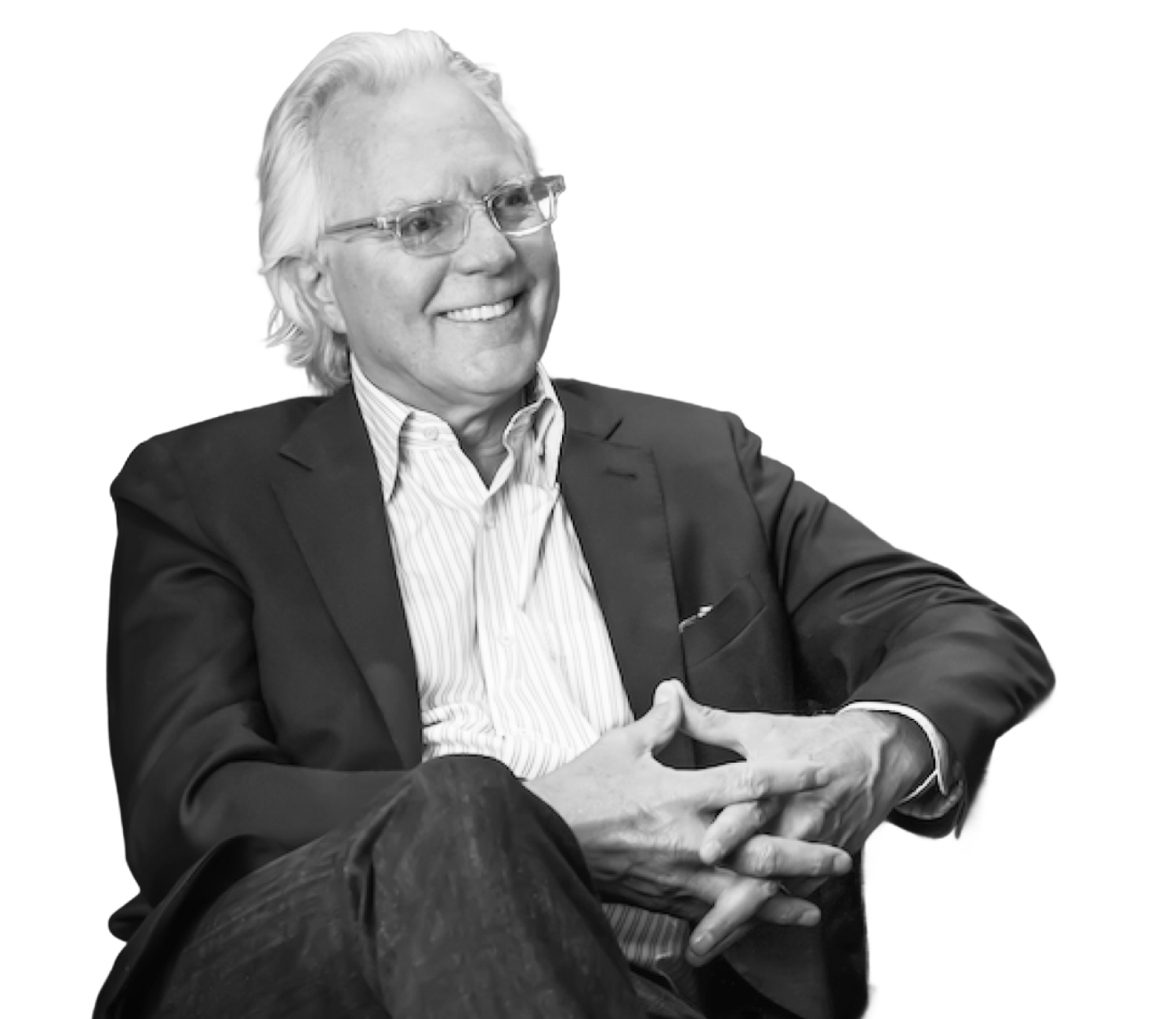
Bob Clark left college after about five weeks in an architecture program to build his own businesses. He has described himself as someone who later learned he has ADD, which helped explain why formal education was always difficult. He has since received an honorary Doctor of Engineering from Missouri S&T and an honorary degree from the University of Missouri System, both recognizing his real-world contributions to business and civic life.
Bob Clark's leadership philosophy centers on a handful of durable principles: the Golden Rule (treat everyone the same regardless of title); the word 'choice' (we choose our habits, our culture, our people); early starts and hard work (5 AM for 35 years); full transparency and profit-sharing with key team members; and the art of storytelling — communicating vision so that people want to follow. He also emphasizes that culture is what you model and tolerate, not what you say you believe.
Bob Clark is a strong advocate for in-person work culture. He has written publicly that transitioning from offices to home environments decreases productivity, isolates people struggling mentally or physically, and reduces the equitable representation of those who face barriers achieving visibility from afar. He believes leaders must be physically present to truly mentor, develop, and support the people who work for them.
Bob Clark advises young entrepreneurs to: identify and write down their core values early (and revisit them throughout their career); commit to hard work before anyone is watching (the 5 AM habit); learn to tell their story, because people follow a vision clearly communicated; treat people with the same respect regardless of rank; and think about 'choice' every day — every habit, relationship, and decision is a choice.
.svg)
.svg)


.svg)
.svg)
.svg)
.svg)


.avif)