Global Quantum Forum in the Windy City
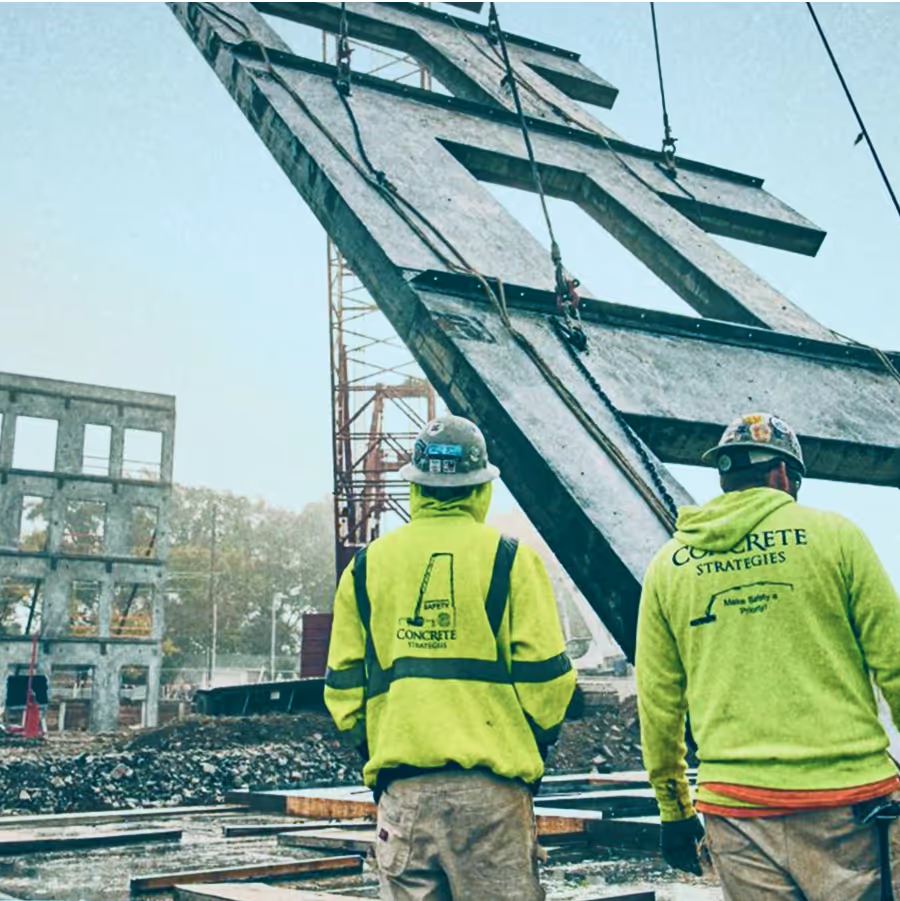
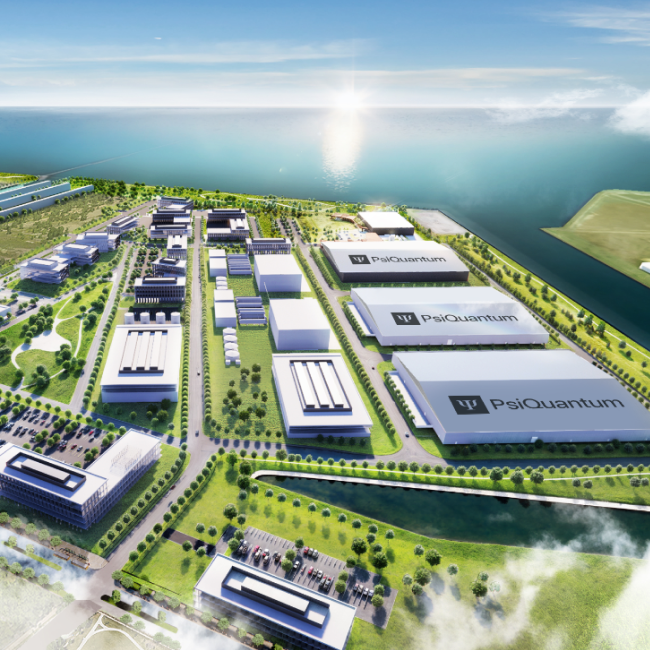
Chicago's Quantum Shore is transforming the former U.S. Steel South Works into a global quantum hub, with Clayco and LJC helping bring this visionary project to life.

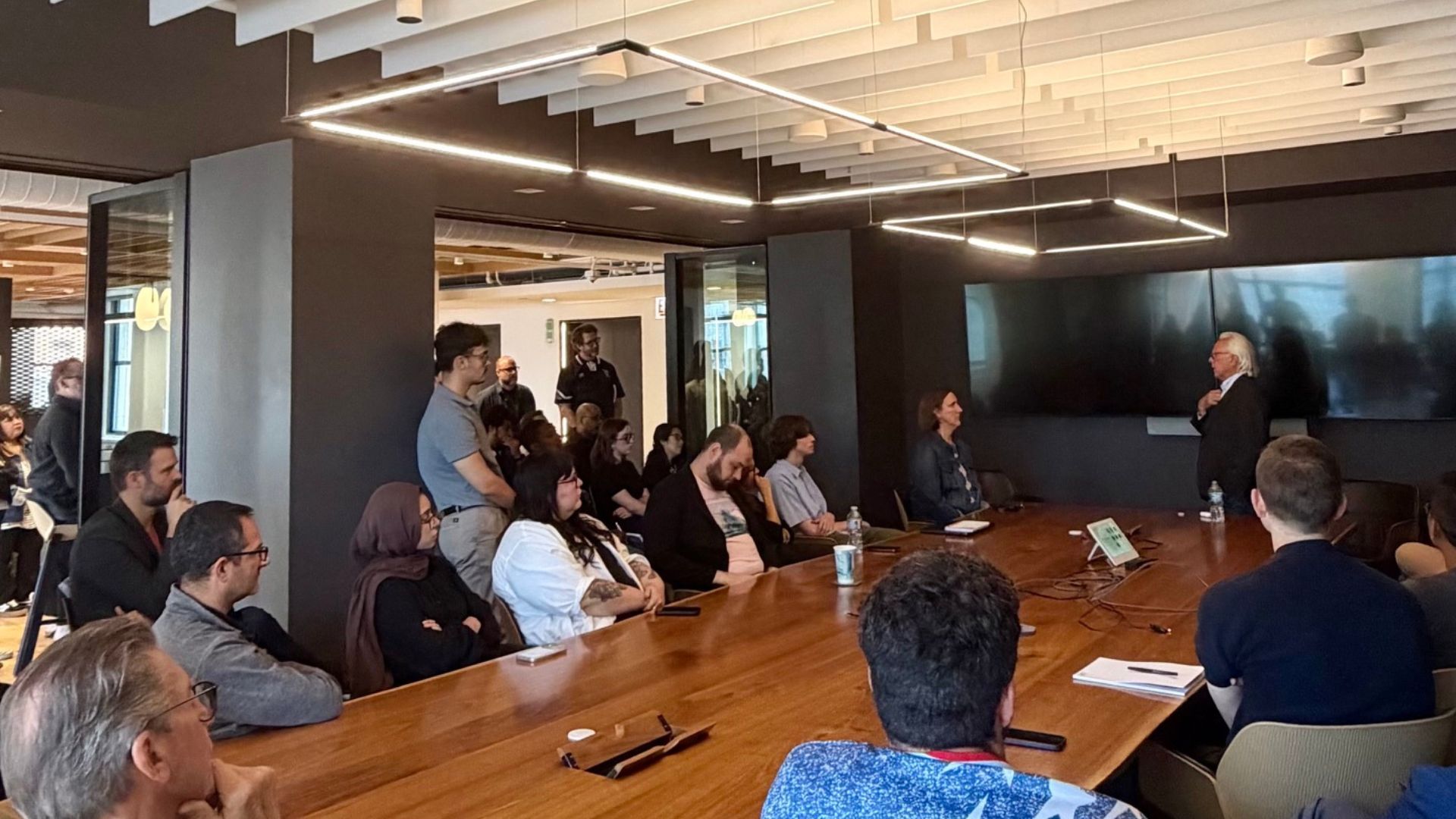
Recently I have been in small and large meetings with the LJC design team, including college interns, talking about artificial intelligence. The conversation quickly turned to fear and even anger.
Will AI take my job? Will there be opportunities for me? Will technology make my skills obsolete? And “is Clayco living up to our aspirations in sustainability.”
I understand those concerns. Every generation faces a moment when a new technology arrives and changes the rules. I reminded the mostly young crowd when I started Clayco we were using yellow pads and calculators had no computers or mobile phones. My generation witnessed the rise of personal computers, then the internet, then mobile technology and satellite access. Each innovation created uncertainty. Each innovation also created tremendous opportunity for those willing to learn, adapt, and lead.
Today, AI is creating another one of those moments. I believe it is one of the greatest opportunities ever presented to architects, engineers, and builders.
Many people understandably question the impact of data centers on energy, water, and sustainability. Those questions are important and should continue to challenge our industry. But before concluding that data centers should not be built, we should also recognize the significant work being done to address those concerns. The most innovative companies in the world are demanding better solutions, and our industry is responding with new approaches to efficiency, renewable energy, water stewardship, and sustainable design.
At Clayco and LJC, we are helping design and build the infrastructure that will power the next generation of innovation. The explosive growth of AI is driving unprecedented investment in data centers and digital infrastructure across the country. Microsoft, Google, Amazon, Meta, Oracle, and others are committing hundreds of billions of dollars to support this transformation.
Clayco is on the front line, and we see first-hand the incredible commitment to keeping our people safe, the focus on doing the right thing, job recruiting and training and helping local communities adapt to a new world. We also hear their demands for better and more sustainable engineering and building methods that put the environment front and center.
They are not simply asking for more buildings. They are asking for better buildings.
They want data centers that use less energy. They want facilities that consume less water. They want lower-carbon materials, more efficient cooling systems, smarter operations, safer environments, and more sustainable solutions. They are the largest investors in the world in renewable energy, carbon reduction technologies, advanced cooling systems, and new approaches to construction and operations.
In other words, they are looking for answers.
That is where our design teams come in. As designers and builders, our responsibility is not to avoid difficult challenges but to solve them. The conversation should not be whether innovation stops, but how innovation advances responsibly. That is where great architecture, engineering, and construction can make the greatest difference.
AI may help us analyze data faster, evaluate alternatives more quickly, and improve decision-making. But AI cannot replace curiosity. It cannot replace creativity. It cannot replace engineering judgment, design innovation, or the ability to solve complex problems with real-world consequences.
The architects and engineers who thrive in the years ahead will not be the ones who resist these tools. They will be the ones who learn how to use them to create better outcomes for clients, communities, and the environment.
We are standing at the tip of the spear of one of the largest infrastructure investments of our lifetime. There is also a broader reality. The United States currently leads the world in AI innovation. Maintaining that leadership requires investment in the infrastructure that powers it. If we pause while others continue to invest and advance, we risk falling behind in technology, economic growth, and global competitiveness. The opportunity before us is to lead—not only in AI, but in how that infrastructure is designed, built, and operated responsibly.
The work we do today will influence how future generations consume energy, access information, conduct business, receive healthcare, and connect with one another.
That should inspire us.
For those entering the profession, my advice is simple. Do not become a spectator. Do not become a critic sitting on the sidelines predicting what might go wrong.
Become a problem solver.
Become a solution finder.
Learn the technology. Understand the challenges. Embrace the opportunity to improve how things are designed and built. The future will belong to people who can combine innovation with practical execution.
The AI revolution is not a threat to great architects and engineers.
It is an invitation.
And I believe the people of Clayco and LJC are uniquely positioned to answer that call.

.svg)
Go beyond the post. Subscribe to the newsletter.
A monthly recap of ideas, progress, and what’s ahead.
.svg)
.svg)
.svg)
.svg)


.svg)
.jpg)
.jpg)


.avif)