.jpg)
From Venice
Explore the highlights of the Venice Biennale 2026, from the inspiring Italian and Bahamas pavilions to Alma Allen’s celebrated works in the American Pavilion, showcasing the global impact of contemporary art and design.

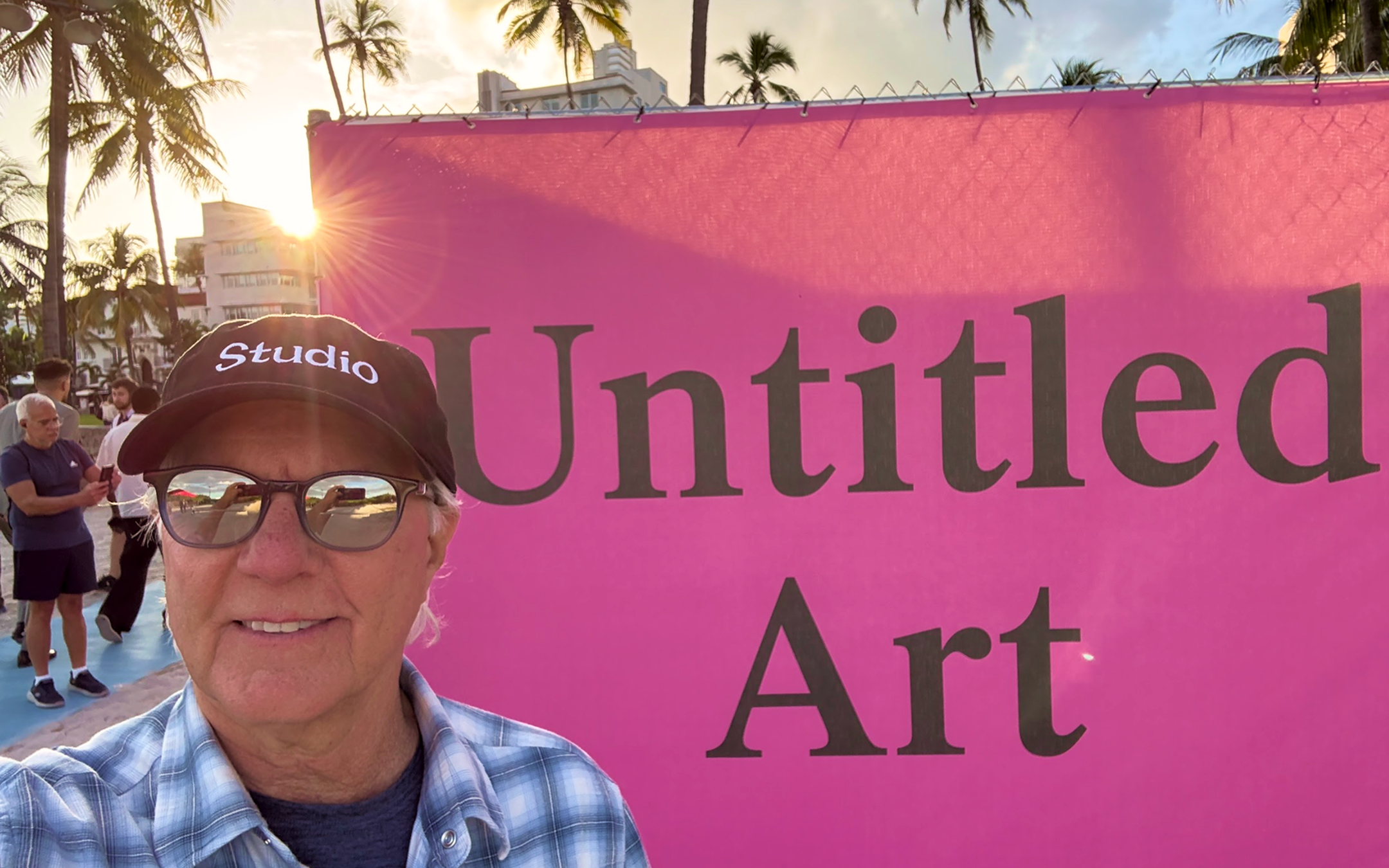
There are a few places I return to every year that refills my energy and sense of wonder. Art Basel is one of them.
It’s where I go to reset my perspective. To see what’s next, not just in art, but in how people are thinking, creating, and responding to the world around them.
This year, Art Basel Miami Beach brought together 283 galleries from 43 countries. The range was massive. So was the impact. I saw work that was loud, quiet, strange, and moving, and all of it made me stop and pay attention.
That’s what great art does. It makes you feel something. It challenges what you thought you knew. And if you let it, it shifts you—just a little.
We added Kenturah Davis and the late Beverly Buchanan’s iconic work to the Clark Collection. We were also able to spend quality time with Monique Meloche Gallery team and artist Sanford Biggers.
We spent time with Cheryl Pope, whose work dives deep into identity, race, gender, power, and place. She’s an artist who listens first, creates second. Her pieces don’t just speak, they demand your attention.
We also saw powerful work by Cándida Álvarez. Bold colors, layered textures, and emotion you can feel without explanation. Her art moves, and it moves you.
Both reminded me: real creativity comes from honesty. And a willingness to get uncomfortable.
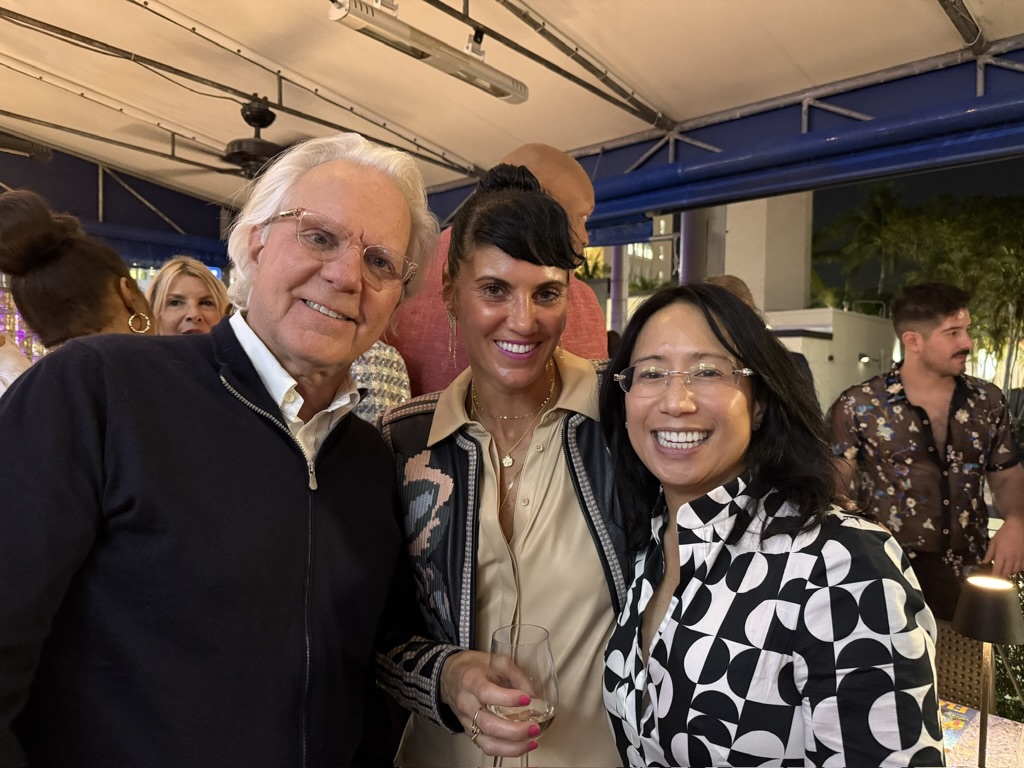
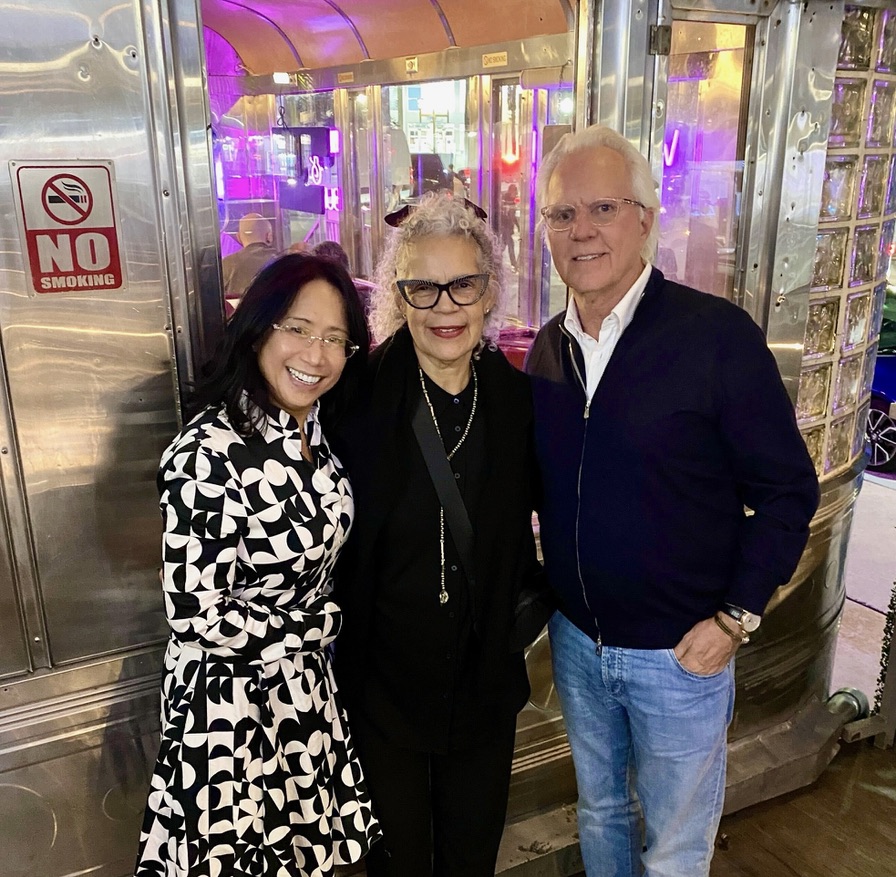
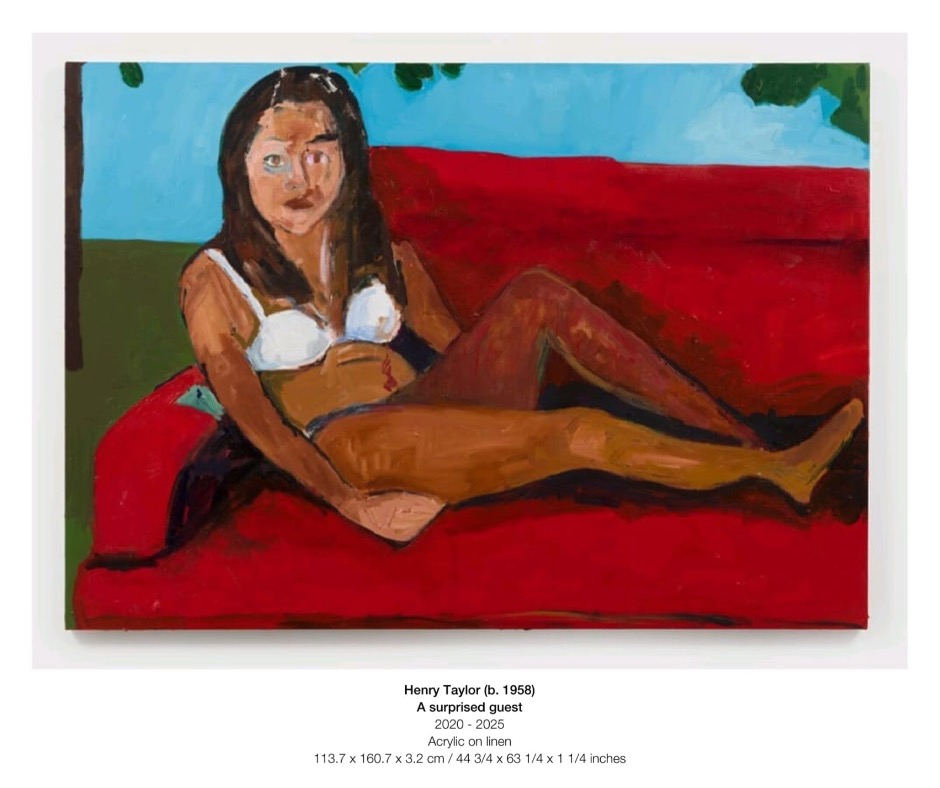
This year we added Henry Taylor’s raw, unfiltered portrait titled A Surprised Guest to the collection. His brushwork is loose, almost casual, but what he captures is intimate, immediate, and emotional.
On the beach, Pilar Zeta’s immersive portal installation, The Observer Effect, was a stark contrast to the chaos inside the fairs. Massive black spheres and arches set against the Miami skyline created a space that felt almost ancient and futuristic at the same time. It was less about art and more about presence.

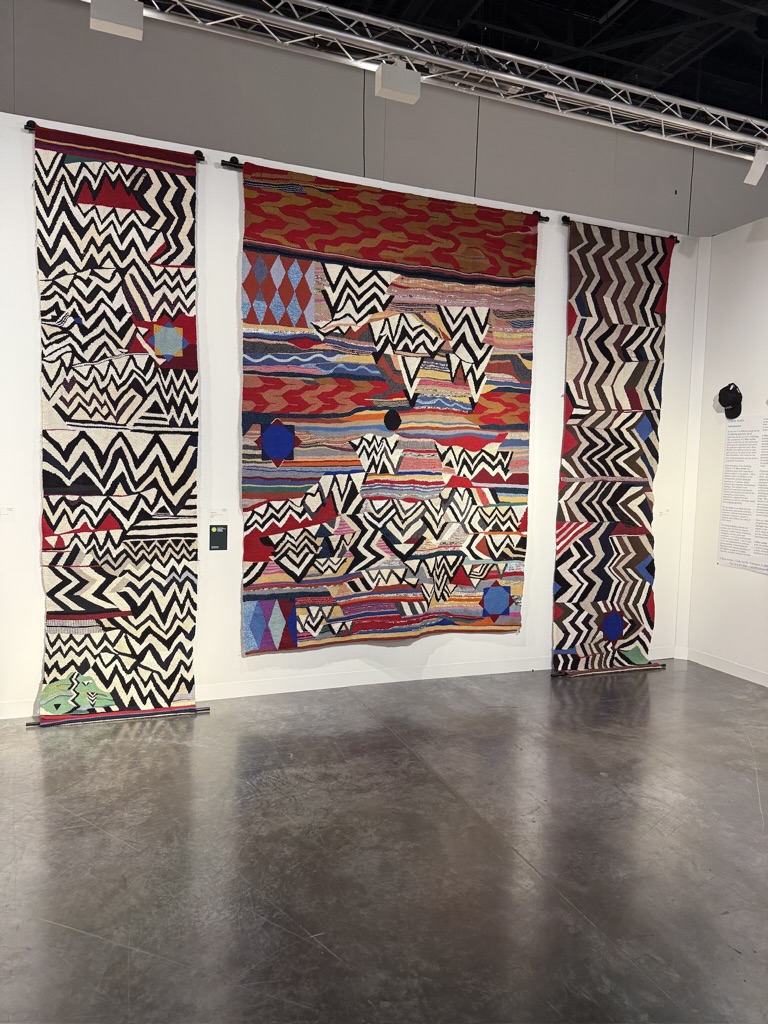
Inside the fairs, we found Teresa Lanceta’s textile work absolutely striking. Her exhibition La Cólcedra al Filo del Alba was vibrant, intricate, and rhythmic.
Lanceta doesn’t just weave materials; she weaves stories, cultures, and time. There’s a physicality to her work that hits hard, and you get the sense that her tapestries carry more than patterns. They carry memory.
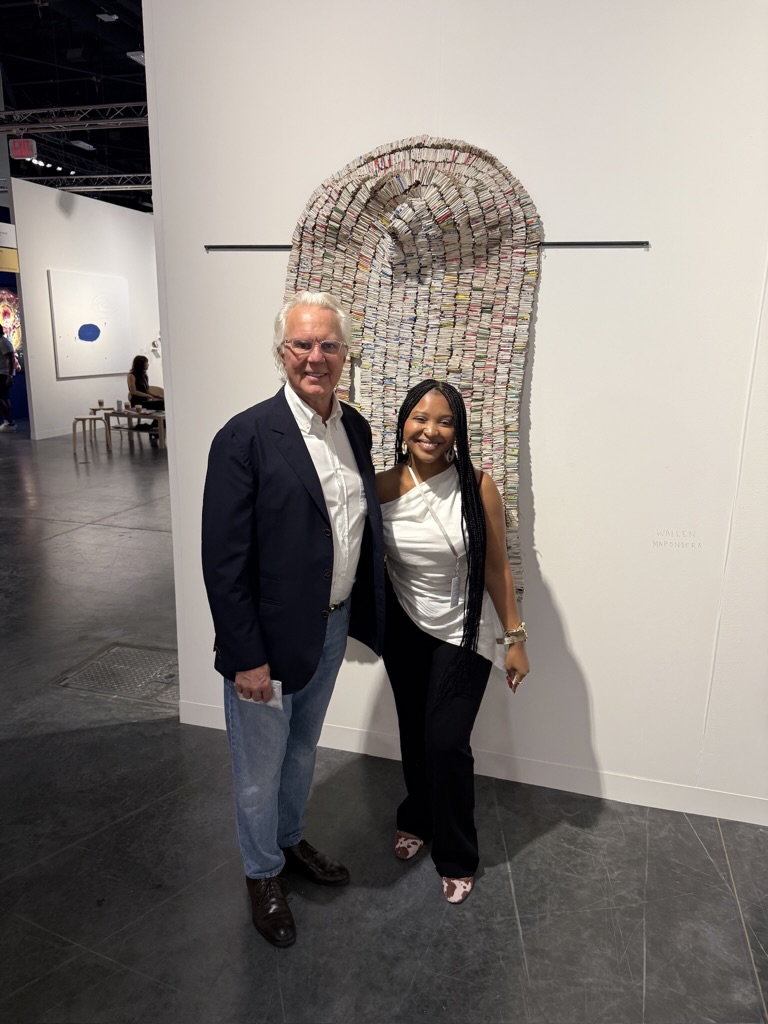
Wallen Mapondera, a Zimbabwean artist whose work lives somewhere between sculpture and architecture. He transforms humble, discarded materials, egg cartons, crates, and toilet paper into powerful, structured pieces that carry deep social commentary.
His work doesn’t yell. It stands quietly, confidently, and forces you to look closer.
Every year, I leave Art Basel grateful for the experience, the people, and the reminder that if your thinking isn’t evolving, your work won’t either.

.svg)
Go beyond the post. Subscribe to the newsletter.
A monthly recap of ideas, progress, and what’s ahead.
.svg)
.svg)
.svg)
.svg)


.svg)


.avif)