.jpg)
Some Key Ideas That Have Stood the Test of Time
A reflection on leadership, company culture, and the principles that have guided Clayco’s growth, from hiring the right people to building with purpose beyond the walls.

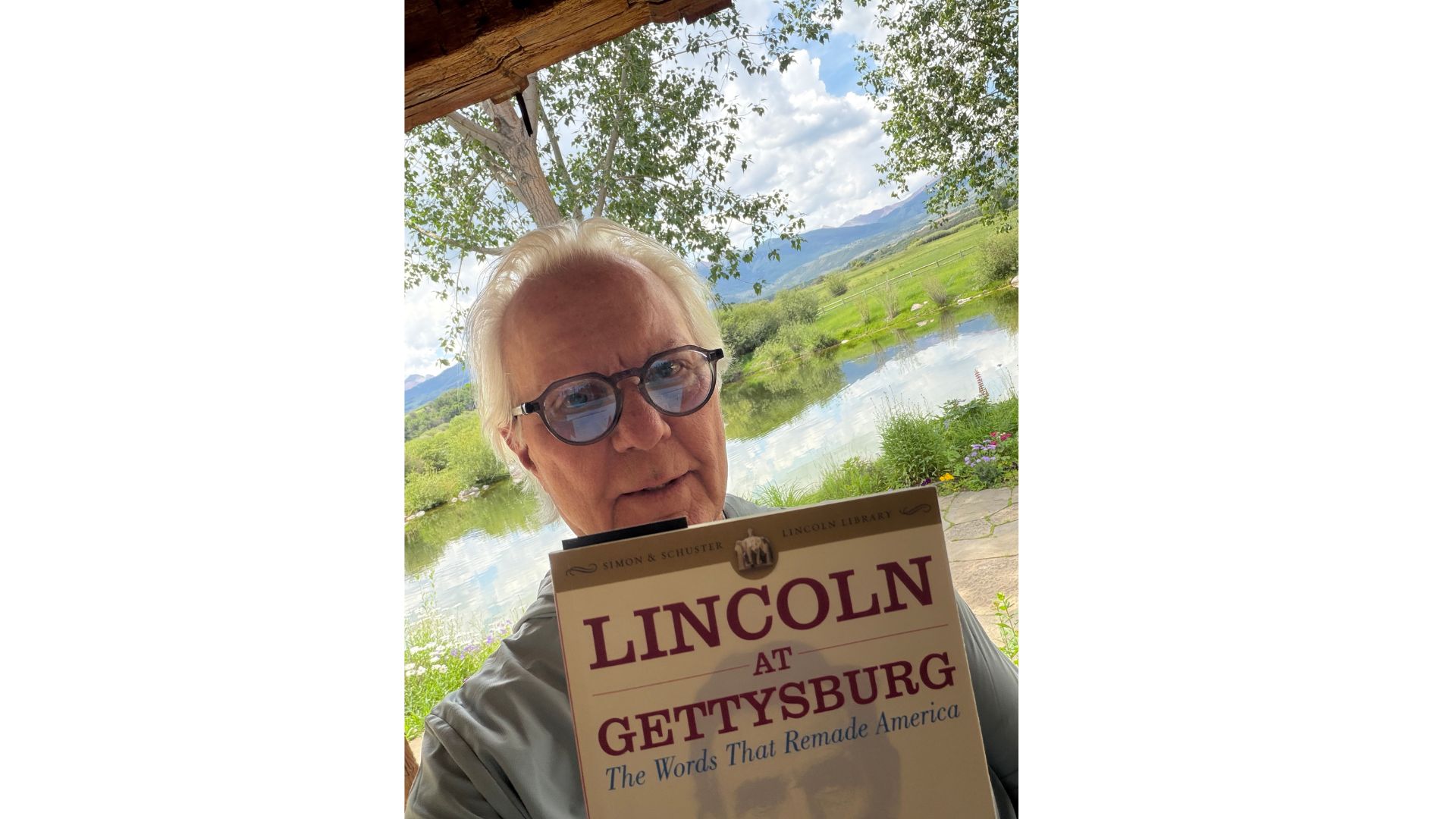
If you’re starving for leadership, eloquence, strategy, or simply a speech that clears the air in a divided time, I highly recommend Lincoln at Gettysburg by Garry Wills.
The book takes us back to one of the darkest periods in American history, when the nation was exhausted by war, divided in its politics, grieving unimaginable loss, and questioning whether the Republic itself could survive.
Lincoln's Gettysburg Address is often noted for lasting only about two minutes.
But brevity wasn’t its genius.
Its genius was that every word had been earned.
When most people read the Gettysburg Address, they admire the language. Wills reminds us to admire something much deeper—the years of study, reflection, discipline, and moral courage that made those words possible.
Lincoln wasn’t improvising greatness.
He had spent decades reading history, studying the Founders, wrestling with the Constitution, debating difficult ideas, learning from failure, and thinking deeply about the purpose of government and the meaning of liberty. Gettysburg was simply the moment when a lifetime of preparation became visible.
That struck me because leadership today often seems to reward the opposite.
We live in an age of instant reactions, social media posts, twenty-four-hour news cycles, podcasts, and endless commentary. Too often, leaders are expected to have an opinion immediately rather than a thoughtful one.
We’ve confused speed with wisdom.
We’ve mistaken volume for leadership.
We’ve started to believe that saying more somehow means saying something meaningful.
Lincoln showed the opposite.
He spoke less.
He thought more.
He chose every word carefully because he understood that words shape culture, unite people, define purpose, and, in moments of crisis, can change history.
As someone who has spent more than forty years building companies, leading thousands of people, and making decisions that affect families, communities, and clients, I’ve learned that leadership isn’t measured by how much you speak.
It’s measured by the quality of your thinking before you speak.
The best leaders I’ve known don’t fill every silence.
They ask better questions.
They listen longer.
They read constantly.
They seek opposing viewpoints.
They change their minds when the facts demand it.
And when they finally speak, people pay attention because their words carry the weight of careful thought.
Perhaps that’s why the Gettysburg Address still resonates more than 160 years later.
It wasn’t written to win the next news cycle.
It wasn’t crafted for applause.
It was written to redefine the purpose of a nation.
In business, government, and our personal lives, we could all use a little more of that today.
Less noise.
More reflection.
Less outrage.
More humility.
Less talking.
More thinking.
Leadership isn’t about having the most words.
It’s about having words that matter.
Fourscore and seven years ago our fathers brought forth on this continent a new nation, conceived in Liberty, and dedicated to the proposition that all men are created equal.
Now we are engaged in a great civil war, testing whether that nation, or any nation so conceived and so dedicated, can long endure. We are met on a great battlefield of that war. We have come to dedicate a portion of that field, as a final resting place for those who here gave their lives that that nation might live. It is altogether fitting and proper that we should do this.
But, in a larger sense, we cannot dedicate—we cannot consecrate—we cannot hallow—this ground. The brave men, living and dead, who struggled here, have consecrated it, far above our poor power to add or detract. The world will little note, nor long remember what we say here, but it can never forget what they did here. It is for us the living, rather, to be dedicated here to the unfinished work which they who fought here have thus far so nobly advanced. It is rather for us to be here dedicated to the great task remaining before us—that from these honored dead we take increased devotion to that cause for which they gave the last full measure of devotion—that we here highly resolve that these dead shall not have died in vain—that this nation, under God, shall have a new birth of freedom—and that government of the people, by the people, for the people, shall not perish from the earth.

.svg)
Go beyond the post. Subscribe to the newsletter.
A monthly recap of ideas, progress, and what’s ahead.
.svg)
.svg)
.svg)
.svg)


.svg)




.avif)