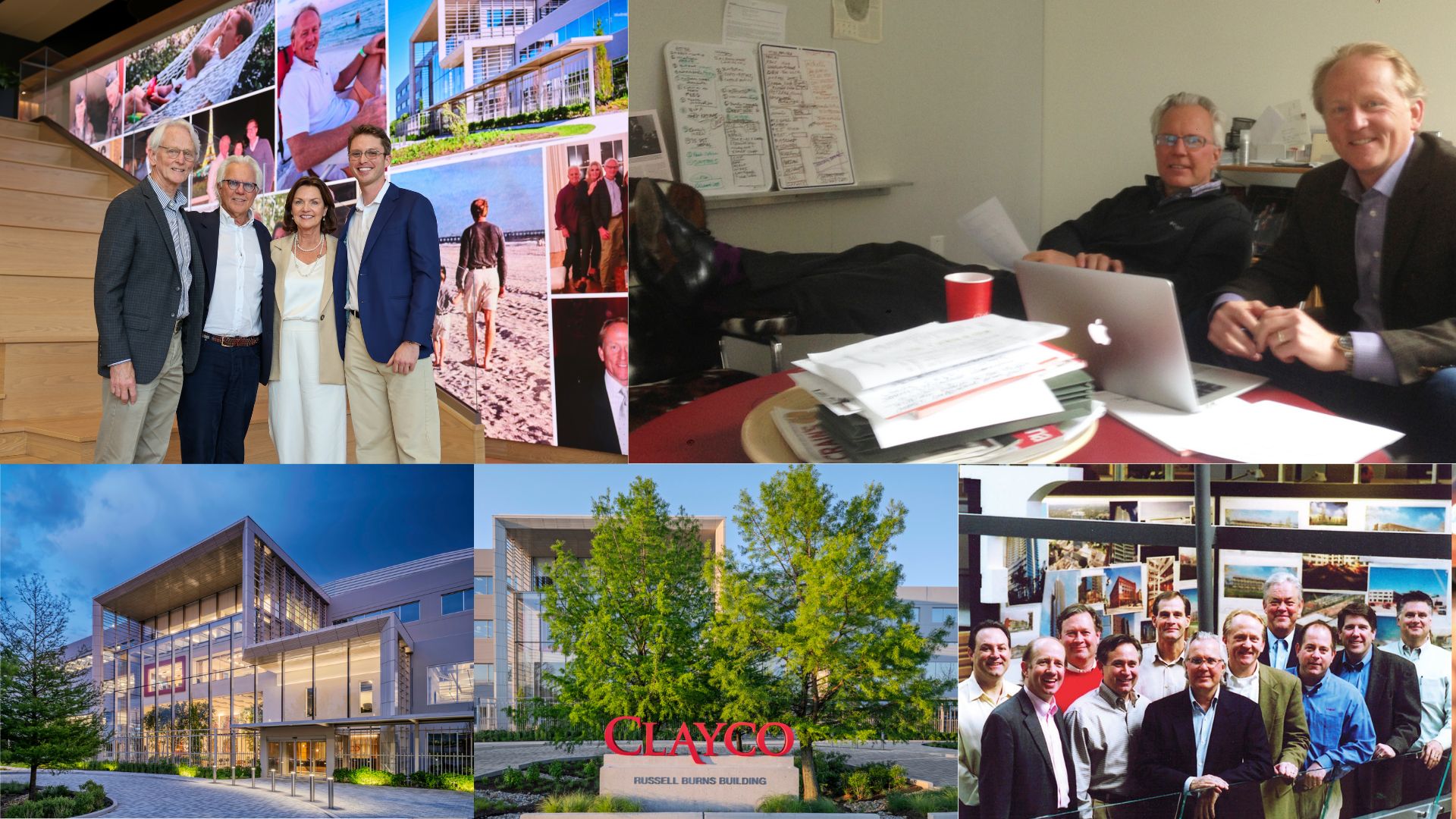
The Russell Burns Building: A Diamond in the Rough
From a former call center to a world-class workplace, Bob Clark shares the story of the Russell Burns Building and the remarkable legacy of the man who helped shape Clayco's culture and success.

In memory of Frank Gehry — Architect, Humanitarian, Mentor
From the very beginning, I’ve always been drawn to the raw magic of construction — cranes rising, steel framing taking shape, concrete pouring, and in the background, the dream of transforming ideas into tangible places. When I started Clayco in 1984, it was with that fascination and the lessons my father taught me: hire the best people, treat everyone right, and select projects where we could truly make a difference.
But as I got deeper into the business — design, build, construct — I realized I wasn’t going to be the “starchitect” but I could influence the design and focus on the execution of the construct... A builder with ambition, grit, and a team of brilliant people. And then I came across architects whose work punched straight through tradition and redefined what buildings could be. Names like Frank Lloyd Wright; more recently, architects like Bjarke Ingels, individuals whose vision compelled every builder to up their game. But the architect who really changed how I thought about architecture … was Frank Gehry.
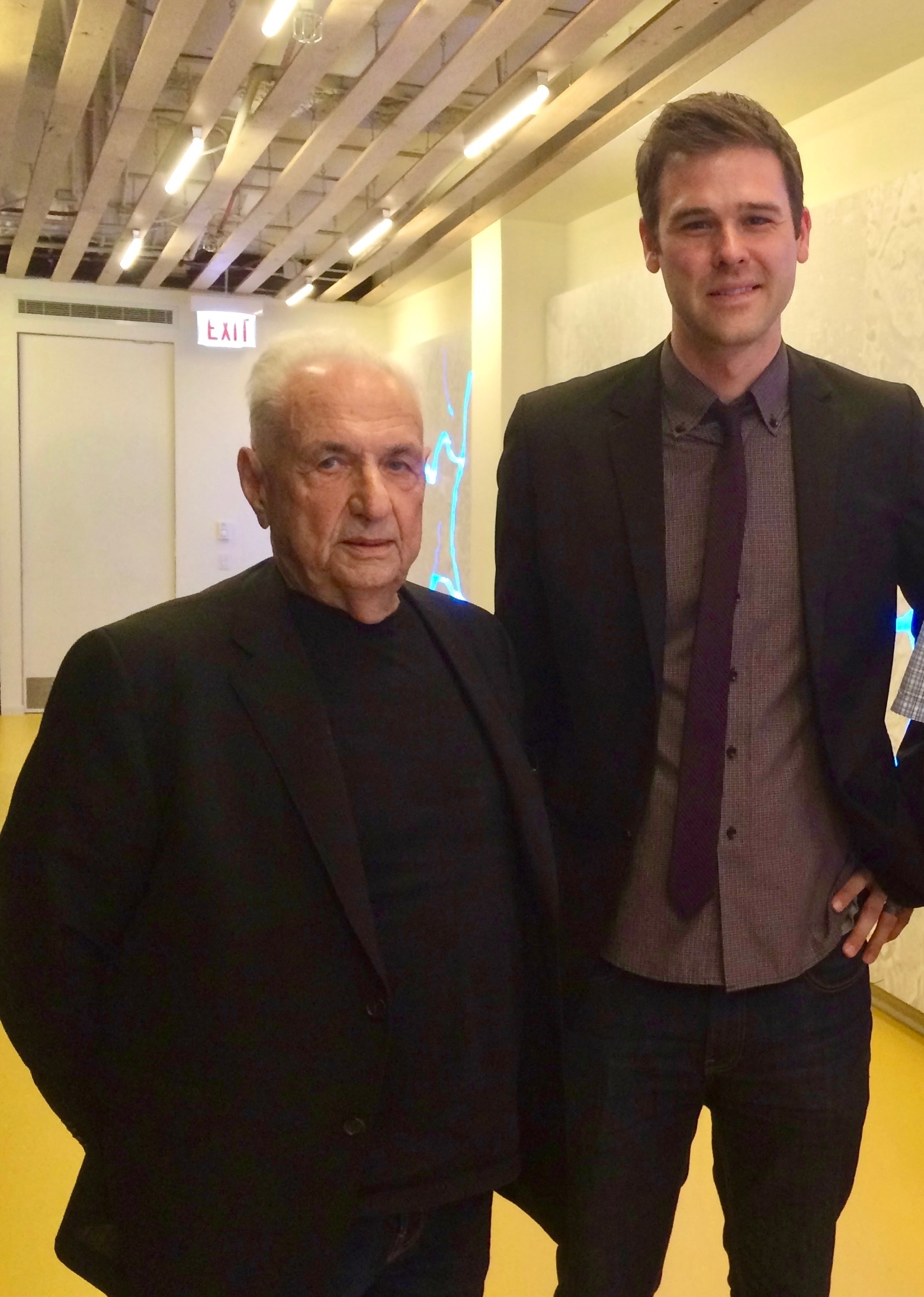
Gehry is not your typical architect. His buildings don’t bend to conventions, they shatter them. Each structure he creates stands alone: bold, unaligned with traditional styles, often unpredictable, and always alive. As I once wrote, there are “very few architects that are as widely celebrated and recognized today as Frank Gehry.”
That rebellious spirit, that willingness to tear up the rulebook, it’s the kind of inspiration that hits a builder in an unexpected way. Because when you build something from the ground up, when you pour concrete and raise steel, you’re solving problems: safety, schedule, budget, logistics. But when you build something Gehry imagines, you’re also inviting people to experience something they never knew they needed. You’re reshaping how people see the world, not just as functional spaces, but as art, as statements, as opportunities to change perspectives.
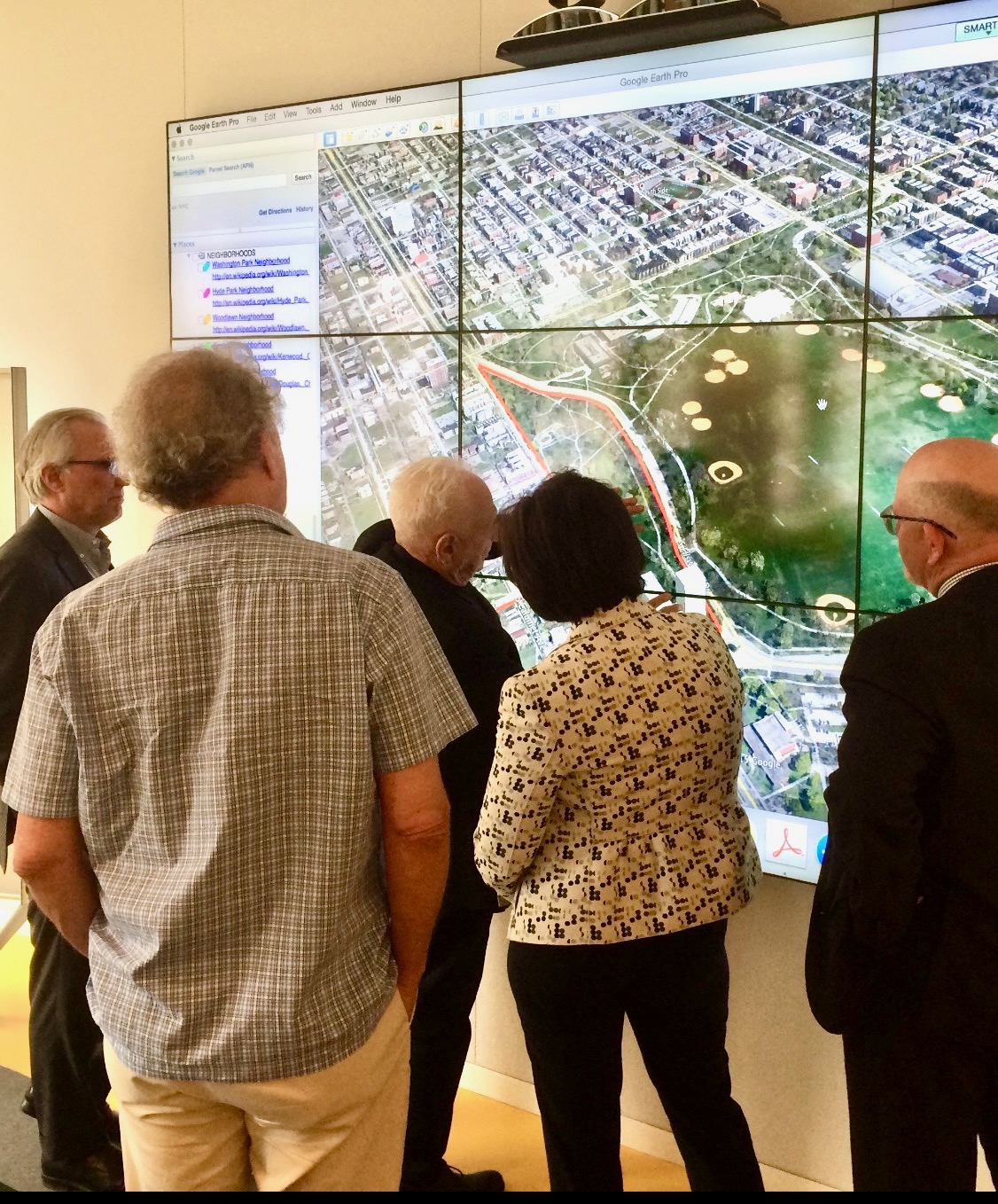
I got lucky. Years ago, while working on the design‑advisory team for the Obama Foundation’s search for an architect for the Obama Presidential Center, I had the privilege to meet Frank in person. I picked him up at the airport, and we spent an entire day walking around potential sites at Jackson Park on Chicago’s South Side. We talked about his career, his influences, and the endless possibilities of architecture. Later, we were joined by his longtime friend, sculptor Don Gummer, whose perspective added even more depth. It was a side of Frank few get to see — thoughtful, generous, deeply rooted in his belief that buildings can change how we think about the world.
That day left an indelible mark on me. I saw that behind the “starchitect” image, the reputation as someone unapproachable, difficult, strong‑willed, there was a human being who truly believed in the power of architecture to uplift people, provoke thought, and reshape communities. I came away even more convinced that while Clayco is rooted in building — structure, discipline, execution — we build best when we let visionaries like Gehry lead the way. Because design and execution are two sides of the same coin.
Today, whenever I walk past a striking Gehry building, a swirling metallic façade, a playful geometry, a structure that seems to defy gravity, I don’t just see a work of art. I see a challenge. A challenge to builders everywhere: to build better, to think bigger, to remember that every beam, every column, every concrete pour is part of something bigger than a job site. It’s the potential to change how people live, work, dream.
Frank Gehry didn’t just revolutionize architecture, he reinvigorated the soul of building. And for me, that’s a gift I carry every day in Clayco’s work.
With gratitude,
Bob

.svg)
Go beyond the post. Subscribe to the newsletter.
A monthly recap of ideas, progress, and what’s ahead.
.svg)
.svg)
.svg)
.svg)


.svg)


.avif)